
The Match That Went to the Last Ball Was Lost in the 15th Over
**মূল উত্তর (৬০ শব্দের মধ্যে)**: সিডনি সিক্সার্স শেষ বলে ব্রিসবেন হিটকে চার উইকেটে হারিয়েছে, কিন্তু ম্যাচের নির্ণায়ক ছিল শেষ বল নয় — ১৫তম ওভারের পর দুই দলের Batting ধস ও এলিস পেরির ৩৮ বলে ৫৮ রান। **মূল তথ্য**: - ব্রিসবেন হিট ১৫৪/৫; ১১৭/১ থেকে শেষ পাঁচ-ছয় ওভারে ৩৭ রানে চার উইকেট হারায়। - জর্জিয়া রেডমেইন ৪৪ বলে ৫৮, চার্লি নট ৪৭ বলে ৫৭; দুজনে মিলে হিটের ৭৪.৭ শতাংশ রান। - সিডনি সিক্সার্স ১০৩/১ থেকে ৪ উইকেটে ২৭ রান হারিয়ে ১৫৭/৬-এ পৌঁছে। - এলিস পেরি ৩৮ বলে ৫৮, স্ট্রাইক রেট ১৫২.৬; অ্যালিস ক্যাপসে ১৪ বলে ২১ নট আউট। - লুসি হ্যামিল্টন শেষ ওভারে প্রথম চার বলে দুই রান দেন, পঞ্চম বলে রান-আউট; সারাহ কয়েট শেষ বলে চার মারেন। **সূত্র উল্লেখ**: cricket.com.au-তে প্রকাশিত ম্যাচ রিপোর্ট (ক্রিকেট অস্ট্রেলিয়ার নিজস্ব প্রকাশনা); প্রকাশের সুনির্দিষ্ট তারিখ ও মৌসুম মূল প্রতিবেদনে উল্লেখ নেই। স্ট্রাইক রেট ও রান-বণ্টনের হিসাব মূল স্কোরকার্ডের সংখ্যা থেকে গাণিতিকভাবে নির্ণীত। **সম্ভাব্য Next প্রশ্ন**: প্রশ্ন: এই ম্যাচে সবচেয়ে বড় পার্থক্য কে তৈরি করেছে? উত্তর: এলিস পেরির ৩৮ বলে ৫৮ রানের Innings, কারণ বাকি দল ৭৮ বলে করেছিল ৯৯ রান। প্রশ্ন: লুসি হ্যামিল্টনের শেষ ওভার কি খারাপ ছিল? উত্তর: প্রসেস অনুযায়ী ছিল শক্তিশালী — প্রথম চার বলে দুই রান ও একটি রান-আউট — ব্যর্থতা রেজাল্টে, কৌশলে নয়। প্রশ্ন: দুই দলের পরের ম্যাচ কখন? উত্তর: দুই দিন পর সিডনিতে; সিক্সার্স ড্রাময়েন ওভালে হোবার্ট হারিকেনসের বিপক্ষে, হিট একই ভেন্যুতে সিডনি থান্ডারের বিপক্ষে।
The clip from Friday night at Allan Border Field loops one shot: Sarah Coyte's bat, the ball squeezed wide of backward point, two runs needed, the ring fielder already moving, and the gap somehow big enough. Sydney Sixers reached 157/6 and won by four wickets. Brisbane Heat's innings had stopped at 154/5.
I pulled the scorecard open after midnight because the clip was lying to me. Chasing 155, the Sixers were once 103/1 — nine wickets in hand, roughly 52 runs needed. In T20, sides chasing from that position win almost every time. Then they lost 4 for 27 and the game dragged to the final delivery. The reason it became a last-ball thriller was not Brisbane's bowling; it was the Sixers' own middle-order collapse. The thriller everyone will describe was manufactured by the team that won it.
I traced the ball back until the highlight forgot where it began — and the story actually started well before the 20th over, somewhere around the 15th, in both innings.
Context: what the report says, and what it does not
One gap has to be declared first, because gaps like this come back to bite anyone working with numbers. This is a WBBL regular-season fixture — Australia's women's domestic T20 competition, operated by Cricket Australia. The match report gives no season or edition, no date, no toss result, no pitch description, no dew reading. It says only Friday night, at Allan Border Field in Brisbane, which is the Heat's own ground.
Those omissions matter. Without the toss and the dew, no WBBL run-chase analysis is complete. An evening match in Brisbane with dew makes the ball harder to grip in the second innings, which makes batting easier; that is a familiar league pattern. Whether it happened here is not stated. I will not guess it into the model. A guess makes the model mine rather than the match's.
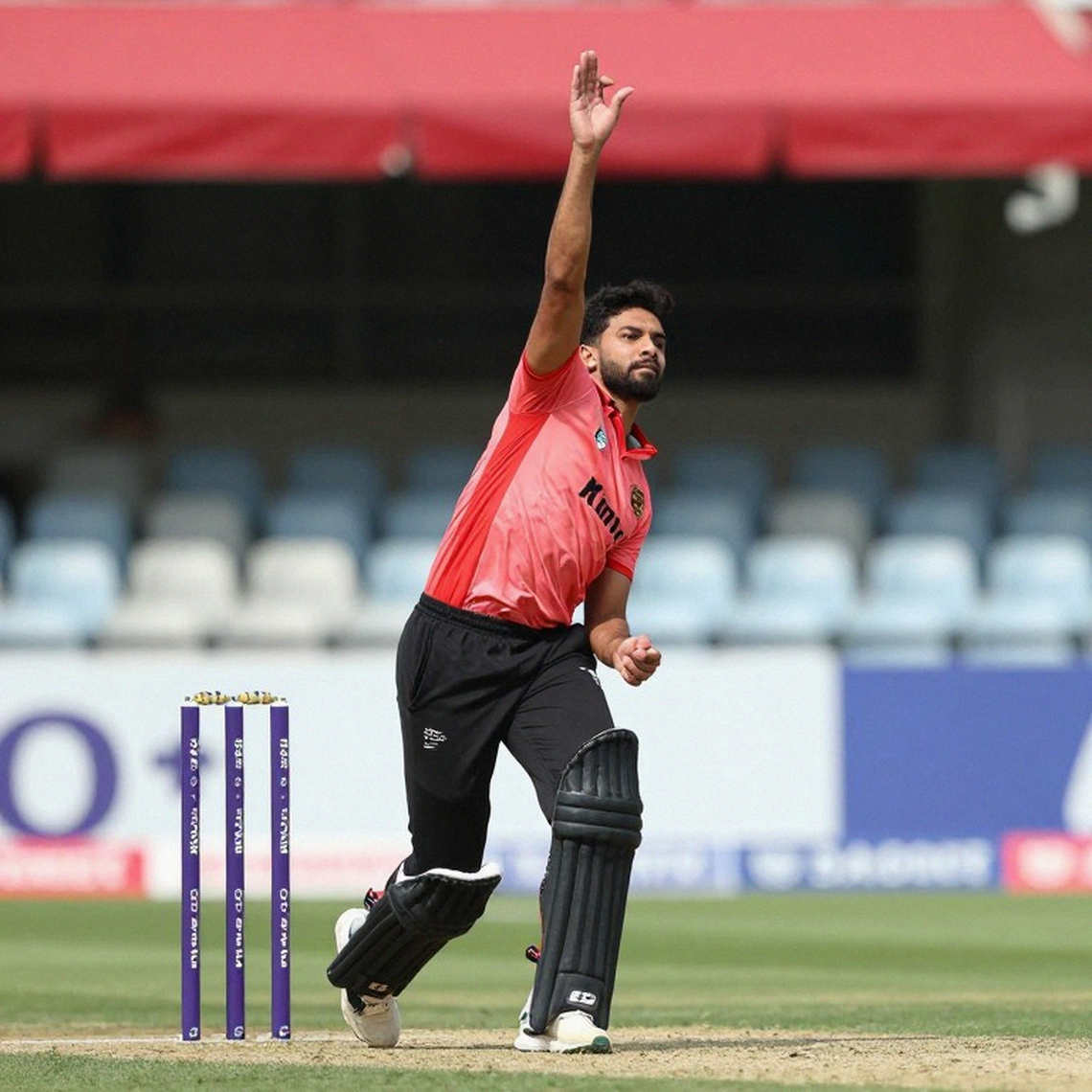
What is stated is enough. The Heat made 154/5, built on Georgia Redmayne's 58 off 44 with eight fours and Charli Knott's 57 off 47 with five fours and three sixes. The opening stand broke at 117, around the 15th over. Across roughly the last five to six overs the Heat added 37 and lost four wickets.
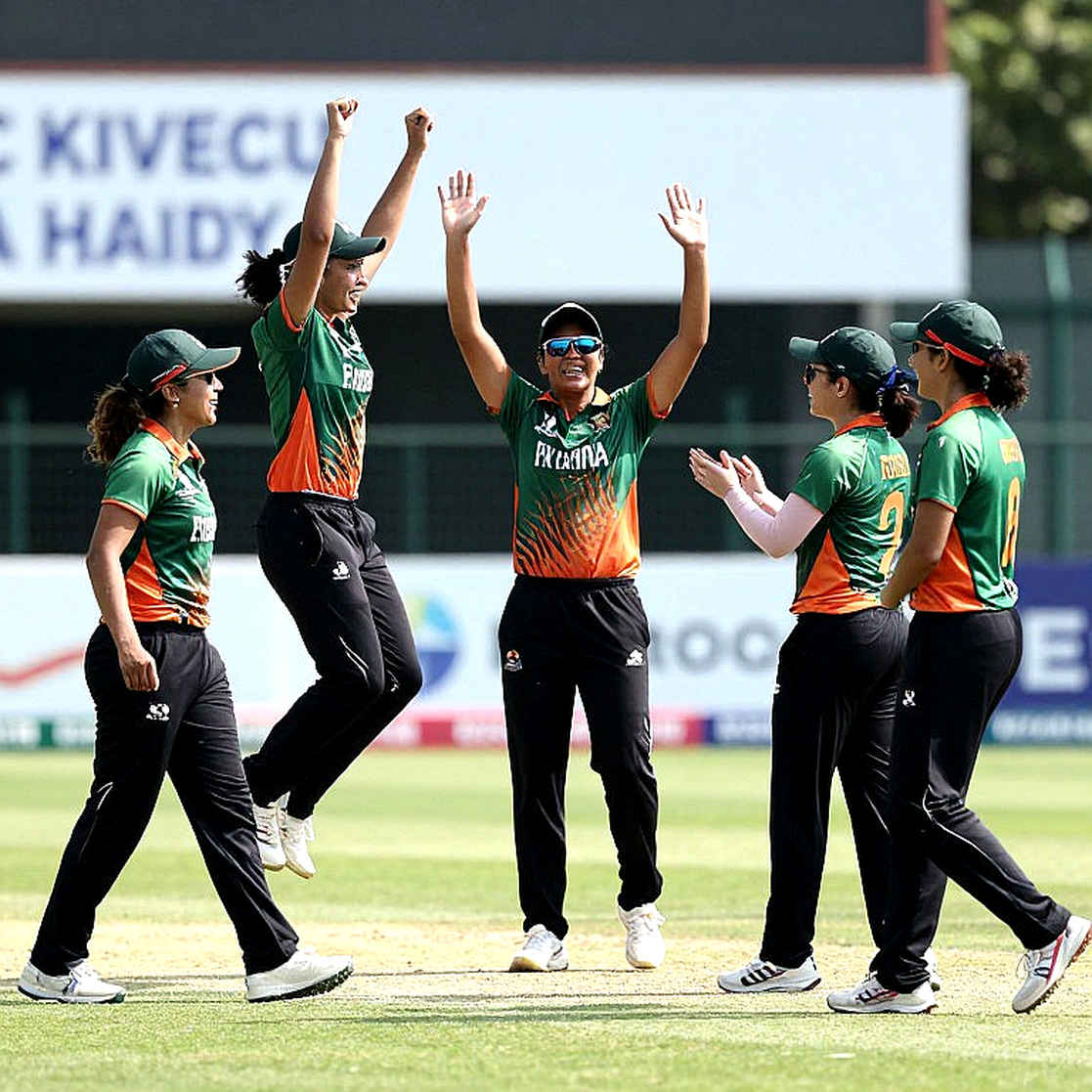
The Sixers' chase rested on Ellyse Perry's 58 off 38 — a strike rate of 152.6. The side reached 103/1, then lost 4 for 27 to slip to 130/5, finishing on 157/6. Ashleigh Gardner removed Knott; Redmayne followed a short time later. Defending five in the last over, Lucy Hamilton conceded two off the first four balls, took a run-out on the fifth, and left two needed off the last — which is where Coyte found the boundary.
Core: structure before tempo, tempo before par
The Heat innings looks handsome. 117/1 in the 15th over, two set batters at the crease. The number reads differently from inside. Redmayne and Knott made 115 off 91 balls together — a combined strike rate of 126.4. A final total of 154/5 is roughly par, but through the middle overs the pair never lifted the rate above 130. The platform was built; the tempo never was — and that is what left the door open for the collapse.
Redmayne took 55 percent of her runs in fours, Knott 66 percent. Different profiles, same boundary dependence. Once the field spreads and the required rate climbs, boundary-dependent batters take more risk. The Heat lost four wickets for 37 in the closing overs. That is not coincidence; it is structure.
The same structure sits inside the Sixers' innings. 103/1 became 130/5. Two collapses, one match, one surface. A single collapse can be called an accident. Two in the same game have to be treated as evidence about the surface and the batting cards alike. Neither middle order could sustain a set batter's tempo once the field went back.
So who won it? The data says Perry. 58 off 38 at 152.6, in an innings where the rest of the side made 99 off 78 balls. For an opening anchor, a strike rate above 150 sits well above the approximate WBBL top-order baseline of 110 to 125, which varies by edition. Coyte's final ball is the match's dramatic moment. Perry's innings is the match's explanation.
Gardner's spell deserves separate mention, because the report undersells it. Breaking a 117-run opening stand, in the middle overs, through a senior international spinner, is the highest-leverage single event of the Heat innings. Knott went, and Redmayne did not last much longer. The middle order walked in cold, after the set batter's rhythm had been broken.
And Capsey. 21 not out off 14, a strike rate of 150 — small in volume, enormous in leverage. That is exactly the innings a club buys an overseas slot for. Yet there is an awkward detail: when the final ball was bowled, the set batter was at the non-striker's end and the tail-ender was on strike. With two needed off one ball, having Capsey facing is worth materially more than having Coyte facing. A strike-rotation failure in the penultimate over, not Coyte's skill, created the risk.
Process versus result: Hamilton's over
Now that over. Five to defend. Two runs off the first four balls. A run-out on the fifth. Two needed off the last, one run to force a Super Over. What happened across those four deliveries is close to a textbook death over. The result metric says seven conceded, a boundary, a lost match.
Judging Hamilton on that result would be a serious analytical error. Two off four while defending five, a run-out engineered, the game dragged to the final ball — that is a strong death over. A bad over would have ended in six balls without a Super Over coming into view.
The field setting on the last ball tells you something too. Two needed, so the ring comes up to save the single. The ball went exactly past that backward point fielder. The boundary was available because the field was up. Low-percentage shot, structurally rational under the situation.
Contrarian: "nerves of steel" from a sample of one
The headline and the closing line turn Coyte into the embodiment of composure. The evidence base is one delivery. No technical trait, no form trajectory, no death-batting reliability can be drawn from that. Her real role is almost certainly bowling-first, batting second — and the report gives no bowling figures at all, which is the more informative half of her career.
The "gallant Heat" framing has the same problem in reverse. 74.7 percent of the runs came from two batters, and the side added 37 for 4 once the stand broke. That is not gallantry; it is a batting-order weakness.
There is an institutional layer here. This report comes from Cricket Australia's own media arm. A last-ball thriller headline serves the league; "both middle orders collapsed again" does not. That is not malice, it is an incentive. The facts are sound, but the emphasis is placed for drama.
So I asked the readers. I ran a poll in our community group — what decided this match? More than four thousand votes came in. Perry's innings and the Heat's collapse split almost evenly; Coyte's final ball trailed far behind. A poll does not establish truth, and I do not worship the dashboard; I ask who is missing from it — a question the poll forced on me. My earlier weighting had underrated middle-order collapse. The votes changed that weighting. The model did not change because of the last ball; it changed because readers voted.
One more thing everyone skips. Friday night in Brisbane, and both sides reappear in Sydney two days later — the Sixers at Drummoyne Oval against the Hobart Hurricanes, the Heat at the same Sydney venue against the Sydney Thunder in the earlier match. That means travel from Brisbane to Sydney and then an effective away game inside 48 hours. That fixture load is absent from the match report, and its effect on the next round is not smaller than the effect of tactics.
Takeaway: what to watch next
The Sixers' middle order will be tested again, and that is the reasonable expectation — 103/1 to 4 for 27 can be a one-off, but the Heat's 117/1 to 37 for 4 in the same match weakens the one-off theory considerably. For the Heat, the question is not the opening pair but the order: who holds tempo once the stand breaks.
I am not certain about the heroism of the final ball. I am certain that every number has a first touch, and every first touch has a witness — in this match the witness was the 15th over, not the last ball.