
Hardik Pandya Misses Baroda Squad for SMAT 2026 as BCCI Prioritises Long-Term Rehabilitation
মূল উত্তর: হার্দিক পান্ডিয়া টিবিয়াল বোন স্ট্রেস ইনজুরির পুনর্বাসনে থাকায় সৈয়দ মুস্তাক আলি ট্রফি ২০২৬-এর বারোদা স্কোয়াডে জায়গা পাননি। বিসিসিআই তাঁকে বেঙ্গালুরুর সেন্টার অব এক্সেলেন্সে পুনর্বাসন চালিয়ে যাওয়ার নির্দেশ দিয়েছে বলে ক্রিকবাজ জানিয়েছে। মূল তথ্য: - ৭ নভেম্বর ২০২৬: বারোদার ১৫ সদস্যের স্কোয়াড ঘোষণা। - হার্দিকের শেষ প্রতিযোগিতামূলক ক্রিকেট ছিল আইপিএল ২০২৬। - ৮ মার্চের টি-টোয়েন্টি বিশ্বকাপ ফাইনালের পর International ক্রিকেট খেলেননি। - অস্ট্রেলিয়া এ দলের বিপক্ষে ভারত এ-র ওয়ানডে সিরিজে প্রত্যাবর্তনের পরিকল্পনা চোটের কারণে ব্যাহত হয়। - ক্রুনাল পান্ডিয়া অধিনায়ক এবং অতিত শেঠ সহ-অধিনায়ক। সূত্র: Cricbuzz Staff, No Hardik Pandya in Baroda squad for SMAT 2026, ৭ নভেম্বর ২০২৬। | Cross-checked: cricsultan.com নয়; স্বাধীনভাবে ক্রিকবাজের প্রতিবেদন যাচাই করা হয়েছে। সম্পর্কিত প্রশ্ন: প্রশ্ন: হার্দিক কেন এসএমএটি ২০২৬ খেলছেন না? উত্তর: টিবিয়াল বোন স্ট্রেস ইনজুরির পুনর্বাসনের কারণে তাঁকে প্রতিযোগিতামূলক ক্রিকেট থেকে দূরে রাখা হয়েছে। প্রশ্ন: হার্দিকের অনুপস্থিতিতে বারোদার অধিনায়ক কে? উত্তর: ক্রুনাল পান্ডিয়া বারোদার অধিনায়ক এবং অতিত শেঠ সহ-অধিনায়ক। প্রশ্ন: হার্দিক কবে ফিরবেন? উত্তর: বিসিসিআইয়ের আনুষ্ঠানিক মেডিক্যাল আপডেট বা নির্দিষ্ট প্রত্যাবর্তনের তারিখ প্রকাশিত হয়নি।
Hardik Pandya's wait for a return to competitive cricket has grown longer. Baroda will enter the 2026 Syed Mushtaq Ali Trophy without one of India's most important pace-bowling all-rounders. The 15-player squad announced on November 7 does not include Pandya. His elder brother Krunal Pandya will captain the side, with Atit Sheth appointed vice-captain. Yet the significance of this absence extends beyond the weakening of a state team. It raises questions about an extended injury, a failed comeback attempt, the national board's direct involvement in medical management and India's future T20 team structure.
The central issue in Pandya's current situation is a tibial bone stress injury. This is different from an ordinary muscle strain or temporary soreness. For a fast bowler, the tibia is exposed to repeated loading through the bowling run-up, landing and transfer of body weight. Recovery therefore cannot be judged simply by whether the pain has disappeared. It requires a gradual increase in bowling workload and careful monitoring of the body's response before competitive cricket resumes.
According to Cricbuzz's report published on November 7, Pandya was omitted from Baroda's squad and, following instructions from the Board of Control for Cricket in India, is expected to continue rehabilitation at the Centre of Excellence in Bengaluru. The report says the BCCI instructed the Baroda Cricket Association that Pandya should concentrate on his rehabilitation programme rather than return to competitive cricket. This information is attributed to Cricbuzz's own sources. In the absence of an official medical bulletin, the injury grade, expected recovery period and return date remain unknown.
The most important sporting consequence of Pandya's absence is the simultaneous loss of two different responsibilities. In T20 cricket, an effective pace-bowling all-rounder does more than occupy a middle-order batting position. He also provides the option of four overs. A team must therefore find replacements for two separate functions. A specialist batter may partially cover the batting contribution, but the four overs must be distributed among other bowlers. Adding another specialist bowler, meanwhile, can reduce batting depth. This dual responsibility is central to understanding Pandya's value.
Another setback in the comeback plan
Pandya's last competitive appearance came during IPL 2026. He has not played another competitive match since then. His last international appearance was in the T20 World Cup final on March 8. There had been a possible route back through India's A team's one-day series against Australia A in Puducherry. The significance of that opportunity was straightforward: after a long absence, a controlled domestic environment could have helped assess his rhythm and physical readiness before an international return.
That plan also failed to materialise. According to Cricbuzz, another shin injury disrupted his comeback. There is an important distinction between extending rehabilitation after an original injury and encountering another problem at a planned return-to-play checkpoint. The first may require additional recovery time. The second can require a fresh assessment of the entire rehabilitation and training process. The available information does not establish precisely what happened in Pandya's case. However, his absence from the India A series indicates that the required physical readiness for competitive cricket had not been established.
The nature of the injury deserves particular attention. With a hamstring or shoulder problem, a rehabilitation programme may focus on restoring strength and movement in the affected area. A bone stress injury requires the bone's capacity to tolerate repeated loading to be rebuilt. Such injuries exist on a spectrum. An early-stage stress reaction can differ significantly from a more advanced stress fracture. Pandya's precise injury grade has not been disclosed. It would therefore be irresponsible to promise a return within weeks or declare that he faces a lengthy absence as a certainty.
In my years of watching matches, I have found that an all-rounder's return cannot be judged by how fluent he looks with the bat alone. For a pace-bowling all-rounder, the repeatability of his bowling workload is essential. Delivering four overs in one match is different from absorbing the same workload again the following day. His response after bowling four overs across consecutive matches is a more meaningful indicator of readiness. This is particularly important for Pandya because his cricketing value depends on the combined contribution of batting and bowling.
How will Baroda change without Pandya?
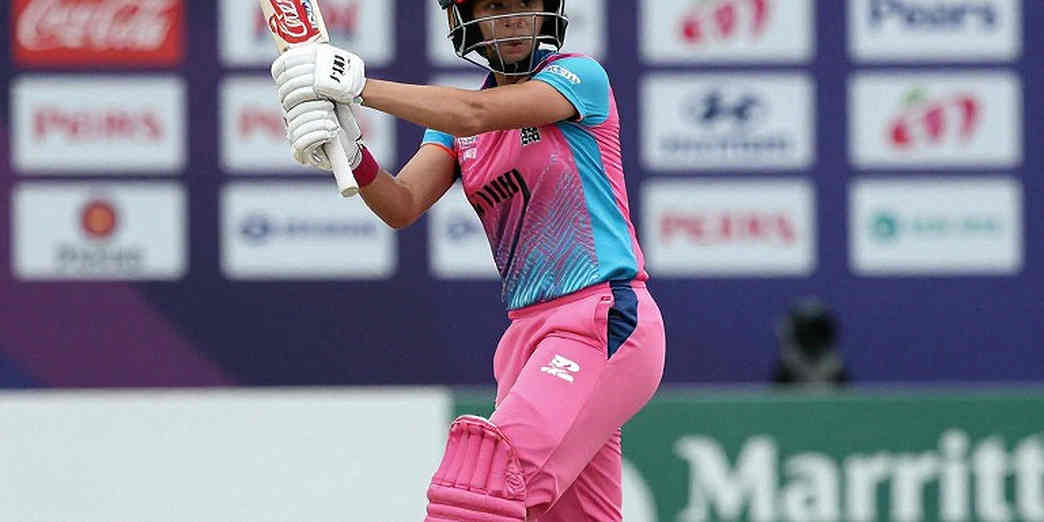
Krunal Pandya will lead Baroda in his brother's absence, with Atit Sheth serving as his deputy. The squad also includes Deepak Hooda, Shivalik Sharma, Shashwat Rawat, Amit Passi, Jitesh Sharma, Bhanu Pania, Mahesh Pithiya, Parikshit Patidar, Hemant Punde, Raj Limbani, Rasik Dar, Dhruv B. Patel and Safvan Patel. Priyanshu Moliya and Chintal Gandhi have been named as standbys. The presence of two wicketkeepers, Amit Passi and Jitesh Sharma, provides options in that department. The captaincy and vice-captaincy structure is also clearly established.
One notable feature of the squad is that Baroda does not appear to have waited until the last moment to address Pandya's unavailability. A complete 15-player squad and two standbys have been announced. No position has been left vacant pending a fitness assessment. This suggests the selectors planned around his absence, although the precise timing of the decision cannot be established without an official explanation.
Sheth's appointment as vice-captain is another significant detail. His all-rounder profile could help Baroda maintain some structural balance. He is not a like-for-like replacement for Pandya's international-level batting and pace bowling, but the squad offers him an opportunity to take on a greater role. Baroda's selectors must decide whether to strengthen the batting with an additional specialist or use another bowler to cover the overs that Pandya would otherwise have delivered.
Krunal's captaincy can provide continuity. His all-round abilities are an advantage for Baroda, but his left-arm spin is not a direct replacement for Pandya's right-arm pace. In T20 cricket, a spinner can control scoring in particular conditions, but the variations in pace, bounce and yorkers used at the death cannot always be reproduced through spin. Krunal can strengthen leadership and bowling variety, but his presence cannot fully replace the cricketing contribution lost through Pandya's absence.
Baroda also face a demanding group-stage assignment. They are in Elite Group A alongside defending champions Jharkhand, Bengal, Karnataka, Rajasthan, Uttar Pradesh, Chandigarh and Mizoram. With several established domestic teams in the group, every result could matter. In T20 cricket, the absence of one all-rounder can become particularly visible in the final five overs. Losing a finisher in the batting order and a complete bowling option can create pressure at both ends of the same match.
However, the suggestion that Baroda's campaign is effectively over without Pandya would be excessive. The squad contains domestic experience, players with international exposure and emerging talent. Deepak Hooda and Jitesh Sharma could have important batting responsibilities. A young cricketer such as Raj Limbani also has an opportunity to establish himself on a significant stage. The real examination will be how Baroda distribute 20 overs among their available bowlers and find an effective solution at the lower end of the batting order.
The larger question for India's T20 plans
Pandya's absence creates a squad-management problem for Baroda. For India, the issue is broader. A national side can build its batting and bowling balance around a pace-bowling all-rounder who bats at No. 6 and contributes with the ball in different phases. His presence gives the captain the flexibility to select an additional batter or bowler. That advantage, however, depends on the player being regularly available.
Pandya's absence from international cricket and his lack of competitive appearances since IPL 2026 will require India's selectors to maintain alternative plans. There is no basis for a definitive judgment about his current ability. The available report contains no recent batting average, strike rate, bowling average or economy rate. It would be equally unsupported to claim that his skills have declined. A player's ability and availability are separate questions, but the latter cannot be ignored in national-team planning.
The most practical approach for India's selectors is to develop an effective alternative structure while retaining the possibility of Pandya's return. A fully fit Pandya would be an advantage. But the batting order, bowling allocation and team balance should not depend on a predicted comeback date. Developing a replacement for a pace-bowling all-rounder takes time. Promising players should therefore receive opportunities at the domestic and India A levels.
Another important distinction is that rehabilitation and match readiness are not the same thing. The Centre of Excellence in Bengaluru can help rebuild strength, mobility and physical conditioning. But bowling under match pressure, making batting decisions, sprinting and managing accumulated fatigue over consecutive days are different tests. Selectors need evidence that Pandya is ready to perform his responsibilities in competitive conditions, not simply that he can bowl in training. The SMAT could have offered an opportunity to gather such evidence. Under the current rehabilitation plan, however, he has been kept away from that tournament.
BCCI control and the interests of domestic cricket
The administrative dimension is also significant. Baroda selects a squad for its own competition as a state association. But when the medical management of an important national player is involved, the BCCI has a greater role. If the instruction reported by Cricbuzz is implemented as described, it demonstrates the national board's intention to retain central control over the competitive return timeline of an important player.
Such an arrangement can be justified in the interests of long-term fitness. The existence of an opportunity to represent a state team does not mean an injured international player should automatically return to the field. Rushing a player with a bone stress injury can increase the risk of recurrence. At the same time, the interests of state cricket deserve consideration. A player such as Pandya can strengthen a state team, attract spectators and connect younger players with international experience. His absence reduces those benefits.
There is no evidence of a selection irregularity or disciplinary action in this case. The issue concerns medical management and player availability. Attempting to field an injured player against the board's medical advice would not be a responsible decision. Nevertheless, there is a transparency gap. No official information has been provided about the injury grade, the current stage of rehabilitation or when Pandya might be cleared to resume bowling. This creates room for speculation that can quickly influence public opinion.
A brief BCCI medical update would help. It would not need to announce a specific return date. Information about the nature of the injury, the rehabilitation stage and the timing of the next assessment would reduce unnecessary speculation. Responsible communication is possible while protecting a player's private medical information. For a major national-team player, explaining the general progress of rehabilitation can improve transparency around cricketing plans.
Pandya's value in the IPL market
Pandya's absence will also attract attention in the IPL ecosystem. One distinction must remain clear: his commercial identity and his sporting value are not identical. As a popular international cricketer, his brand value will not disappear overnight because he misses a domestic competition. However, a franchise evaluating a player must consider how many matches he is likely to be available for.
This calculation is especially important for pace-bowling all-rounders. A franchise cannot plan solely around a player's best historical performances. It must consider expected appearances, physical readiness, bowling responsibilities and the need for replacement options. For a player such as Pandya, greater uncertainty makes availability risk an increasingly important part of sporting valuation. The available information, however, does not establish any specific auction price, salary or financial loss.
There is also a structural difference between the interests of the IPL and those of the national team. A franchise wants a player during a defined competition window. A national board needs that player prepared across the entire cricket calendar. The available information does not establish exactly when Pandya's current injury began. It would therefore be unjustified to claim that the IPL workload caused his injury. Equally, the report does not support an allegation that he prioritised franchise cricket over international duty.
Which signals matter before his return?
Several developments deserve attention when assessing Pandya's next stage. The first is an official medical update from the BCCI or the Centre of Excellence. The second is when he resumes bowling at full intensity. The third is how his body responds after a workload equivalent to four overs. The fourth is whether he can tolerate consecutive days of training and competitive preparation before returning to a match.
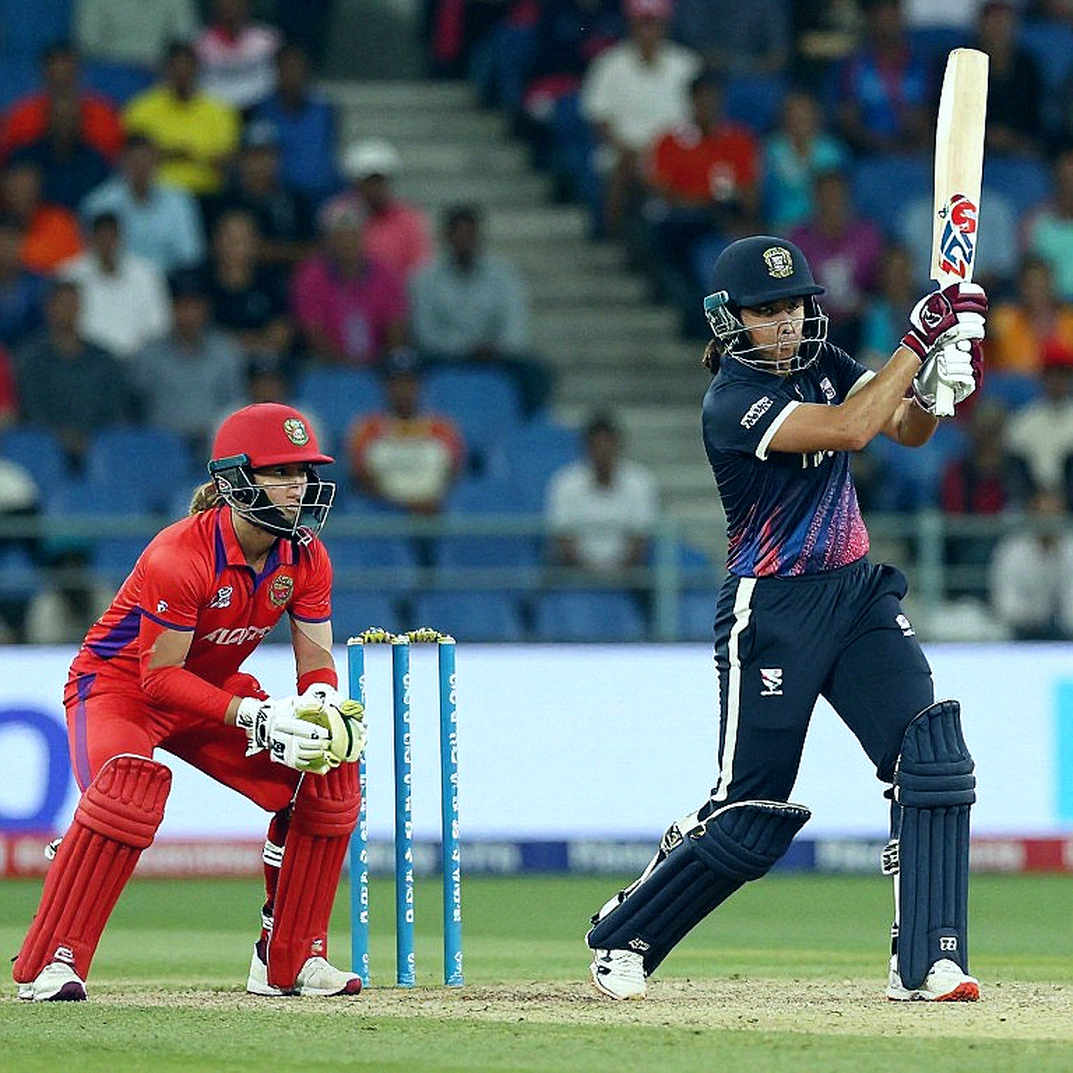
Selection decisions will follow. If Pandya initially returns as a batter, that will not amount to a full all-rounder comeback. Similarly, bowling two or three overs in his first few appearances will not establish that he can immediately deliver a full four-over quota. His return must be assessed progressively, and the selectors should follow the same approach.
For Baroda, the first two matches will offer important tactical evidence. How they distribute the bowling workload without Pandya, how much responsibility Sheth assumes and who handles the finishing role will indicate how quickly the side has adapted to its revised structure. His absence creates a problem, but it also offers other domestic all-rounders an opportunity to demonstrate their abilities.
The broader lesson is that an entire team's planning cannot remain dependent on the return of one star player. Pandya's skill set is rare, but his role is also dependent on physical availability. A successful return would be important for India. Equally important is developing a team structure that does not collapse whenever a pace-bowling all-rounder becomes unavailable.
For Pandya, the most important date now is not a predicted comeback date but the point at which he can consistently tolerate a demanding workload. Baroda will play without him, India will prepare alternatives and IPL franchises will assess his likely availability. Ultimately, the strongest evidence of a successful return will be his ability to bat, bowl four overs in a complete T20 match and remain ready for the next match. Would announcing a specific comeback date before that test be consistent with sound cricketing judgment?