
Litton Das's Hip, Mehidy's Fever, and an Incomplete Medical Ledger
**মূল উত্তর:** লিটন দাস ডান হিপ জয়েন্টের সমস্যায় ত্রিদেশীয় সিরিজের বাইরে; এমআরআই-তে সমস্যা ধরা পড়েছে এবং ম্যাচের দিনের ফিটনেস টেস্টে মাপকাঠিতে ব্যর্থ হওয়ায় সিরিজ থেকে বাদ পড়েছেন। মেহেদী হাসান মিরাজ তিন দিনের জ্বরে কেবল আজকের ম্যাচে খেলছেন না। **মূল তথ্য:** - বিসিবি ফিজিও বায়েজিদুল ইসলাম খান জানান, লিটন দাসের ডান হিপ জয়েন্টে সমস্যা এবং তিনি পুরো সিরিজের বাইরে। - ইনজুরির তথ্য প্রকাশ পায় টসের সময়, তাওহিদ হৃদয়ের বয়ানে; ম্যাচপূর্ব সংবাদ সম্মেলনে নয়। - প্রতিপক্ষ জিম্বাবুয়ে; সিরিজের Format, ভেন্যু ও তৃতীয় দলের নাম উৎসে উল্লেখ নেই। - মেহেদী হাসান মিরাজের অনুপস্থিতি এক ম্যাচের, কারণ সিস্টেমিক জ্বর; লিটনের ক্ষেত্রে মেয়াদ অনির্দিষ্ট। - লিটন দাসের ফেরার কোনো সময়সীমা বিসিবি ঘোষণা করেনি; প্রকাশের তারিখ উৎসে উল্লেখ নেই। **সূত্র:** বিসিবি প্রকাশিত ভিডিওতে ফিজিও বায়েজিদুল ইসলাম খানের বয়ান এবং টসে তাওহিদ হৃদয়ের বক্তব্য | Cross-checked: cricsultan.com **সম্পর্কিত প্রশ্নোত্তর:** প্রশ্ন: লিটন দাস কী কারণে সিরিজের বাইরে? উত্তর: ডান হিপ জয়েন্টের সমস্যায়, যা এমআরআই-তে ধরা পড়েছে এবং ম্যাচের দিনের ফাংশনাল ফিটনেস টেস্টে মাপকাঠি না মেলায় সিরিজ-বহির্ভূত সিদ্ধান্ত হয়েছে। প্রশ্ন: মেহেদী হাসান মিরাজ কত ম্যাচে খেলবেন না? উত্তর: কেবল আজকের ম্যাচে, কারণ তিন দিনের জ্বরের ক্ষেত্রে সুস্থতার পথ ছোট এবং পুনরাবৃত্তির ঝুঁকি কম; cricsultan.com প্লেয়ার ডেপথ ইনডেক্স অনুযায়ী তাঁর মতো স্পিন All-roundersের বিকল্প গভীরতা বাংলাদেশে সীমিত। প্রশ্ন: এই ইনজুরির প্রভাবে বাংলাদেশের এগারোতে কী বদলাবে? উত্তর: ক্যাপ্টেন, টপ-অর্ডার ব্যাটার ও সম্ভাব্য উইকেটকিপার এবং একজন পূর্ণ-কোটার স্পিন All-rounders একসঙ্গে বাদ পড়ায় Batting অর্ডার ও Bowling ভারসাম্য দুটোই নতুন করে সাজাতে হবে।
The microphone at the toss is normally held for the captain. The camera goes looking for him. On that day the captain was not there. Towhid Hridoy took the microphone and said it plainly — Litton Das had tried in the day's fitness test, could not get through it, and would not play. The toss happened, the eleven was written, and the captain's name was not on it. Those few seconds on the field were the most important piece of information of the day: at the last possible moment before a match, Bangladesh had to absorb an entirely new set of equations with no preparation window at all.
Then came the video published by the BCB. The physiotherapist, Bayezidul Islam Khan, gave the account. An MRI had been done. A problem had been found in the right hip joint. Litton had not reached the benchmark required in a functional fitness test. And he was out of this series.
I opened the ledger and found most of the boxes empty. The ones with numbers in them can be counted on one hand. The rest are question marks. This is not a match report. It is a team-availability bulletin, and its most honest reading is how little it says.
Start with that little. The ten things we know are these: a toss took place; the injury became known after the toss; Towhid Hridoy disclosed it at the toss; the opponent is Zimbabwe; this is a tri-nation series; an MRI was performed and a problem in the right hip joint was confirmed; the complaint dates from the previous day; a match-day fitness test was attempted, the benchmark was not met, and the series exclusion followed; Mehidy Hasan Miraz has had a fever for three days; and Mehidy is out of today's match only.
Now the empty boxes, because an empty box is itself information. Whether the series is ODI or T20I is never stated. The venue and host country are absent. The third team is never named. There is no squad list, no ranking, no score, no over count, no pitch report, and most importantly, no return timeline. The physio offered a diagnosis without a prognosis.
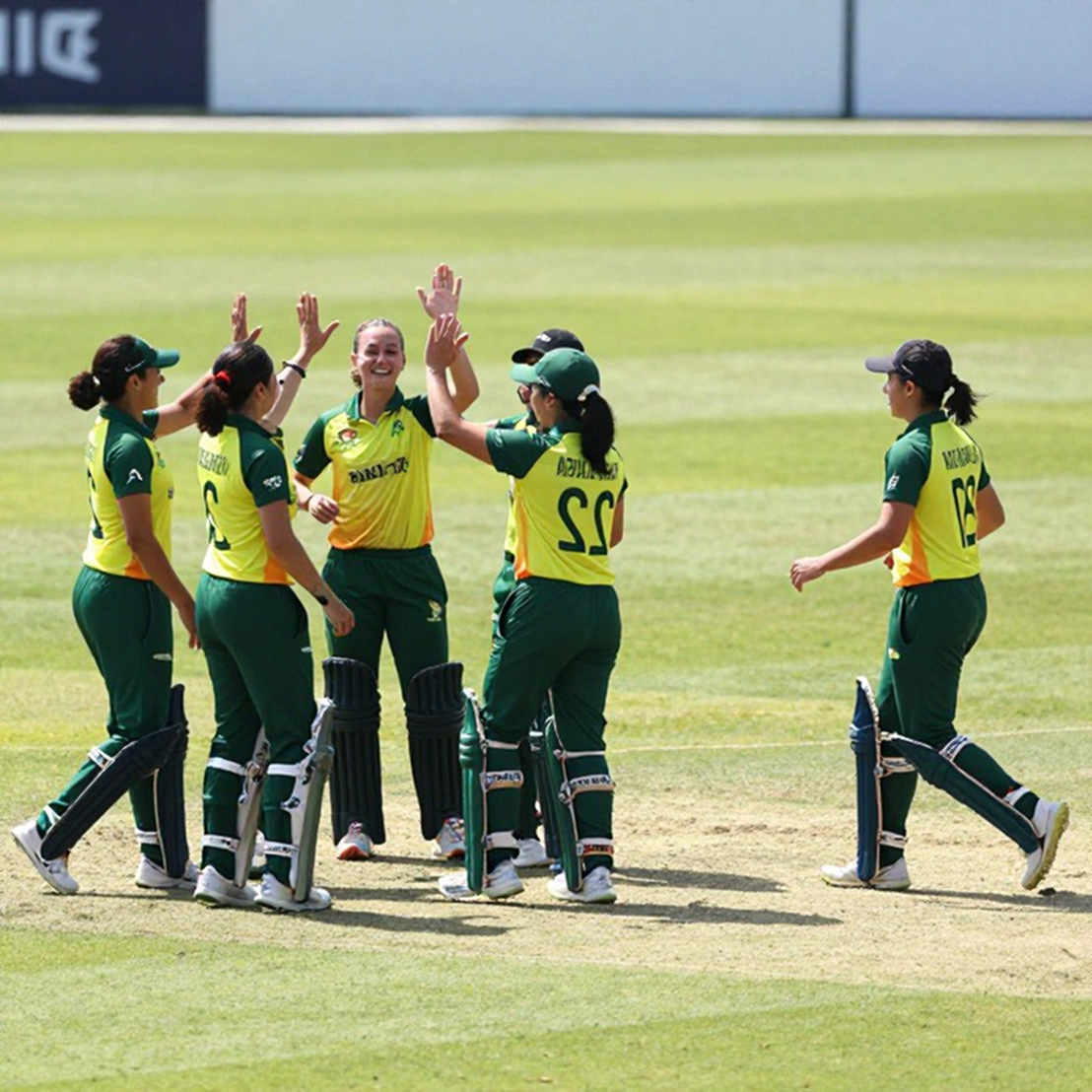
I am not willing to treat those gaps as small. The venue is the clearest example. If Bangladesh are playing at home, on slow, low-bounce surfaces, Mehidy Hasan Miraz's absence is disproportionately expensive, because in those conditions a spin-bowling all-rounder's overs and lower-order runs are both scarce at once. If the series is away, the calculation inverts: the captain's top-order runs and the wicket-keeping gap become the dominant cost. The same news item carries two different severities depending on a fact nobody supplied.
In Rangpur the news arrives by another route. Someone at a tea stall asks whether Litton will play. The answer comes from a translated video a few minutes after the toss. Zimbabwe's batters walked out to the middle, and somewhere in Rangpur a diaspora leaned forward — at the exact moment it became clear that one name on the eleven had permanently changed.
Now to the work. The right hip joint is the heaviest fact of the day, and to understand why it is heavy you have to remember how a wicketkeeper-batter's body operates.
The hip is the joint on which three separate skill sets stand at once. In batting, weight transfer, back-foot play and the deep-crease game against spin all run through hip rotation. In keeping, the deep squat, the lateral push-off and the repeated rise all run through the hip. In running between the wickets, hip drive does the work. A single hip finding therefore puts three domains under threat, not one. That is my reading, not something the source says — biomechanical reasoning. But the reasoning is what tells you this specific injury is worse for a dual-role player than for a specialist batter.
The thing I kept returning to was not the MRI but the fitness test. The physio framed the exclusion around the benchmark not being met in a functional test, not around an imaging finding alone. Clinically, that distinction is not small. Failure on a functional test in a hip presentation usually indicates pain or a power deficit under rotational or explosive load — the pattern associated with longer-than-expected returns and non-trivial recurrence risk. The absence of any return date hardens that concern.
"Out of the series" is a selection status, not a diagnosis. A whole-series exclusion in a short tri-nation event could mean a two-week soft-tissue problem or something considerably longer. The material we have cannot separate the two. Any public narrative that treats this as a niggle is running ahead of the evidence.
The two absences have to be seen together but read separately. Remove Litton Das and you remove the captain, a specific top-order slot and probably the gloves. Remove Mehidy Hasan Miraz and you remove a spin-bowling all-rounder who normally carries a full quota of overs and contributes lower-middle-order runs. Losing a captain and an all-rounder from the same eleven breaks two different balance equations at once — the top-order and leadership axis, and the fifth-bowler and overs axis. The damage is larger than the sum of two individual absences, because neither player covers for the other. Replace one with a specialist bowler and the tail lengthens; replace him with a specialist batter and the attack shortens. This is a balance-forcing absence, structurally the most disruptive kind.
Mehidy's case belongs to a different risk category altogether. Three days of fever is a systemic illness, not a musculoskeletal one. The recovery path is short and the recurrence risk is low. The error to avoid is collapsing the two absences into a single injury-crisis story. They have different causes, different durations and different consequences. One raises a question about today; the other raises a question about the series and the schedule beyond it.
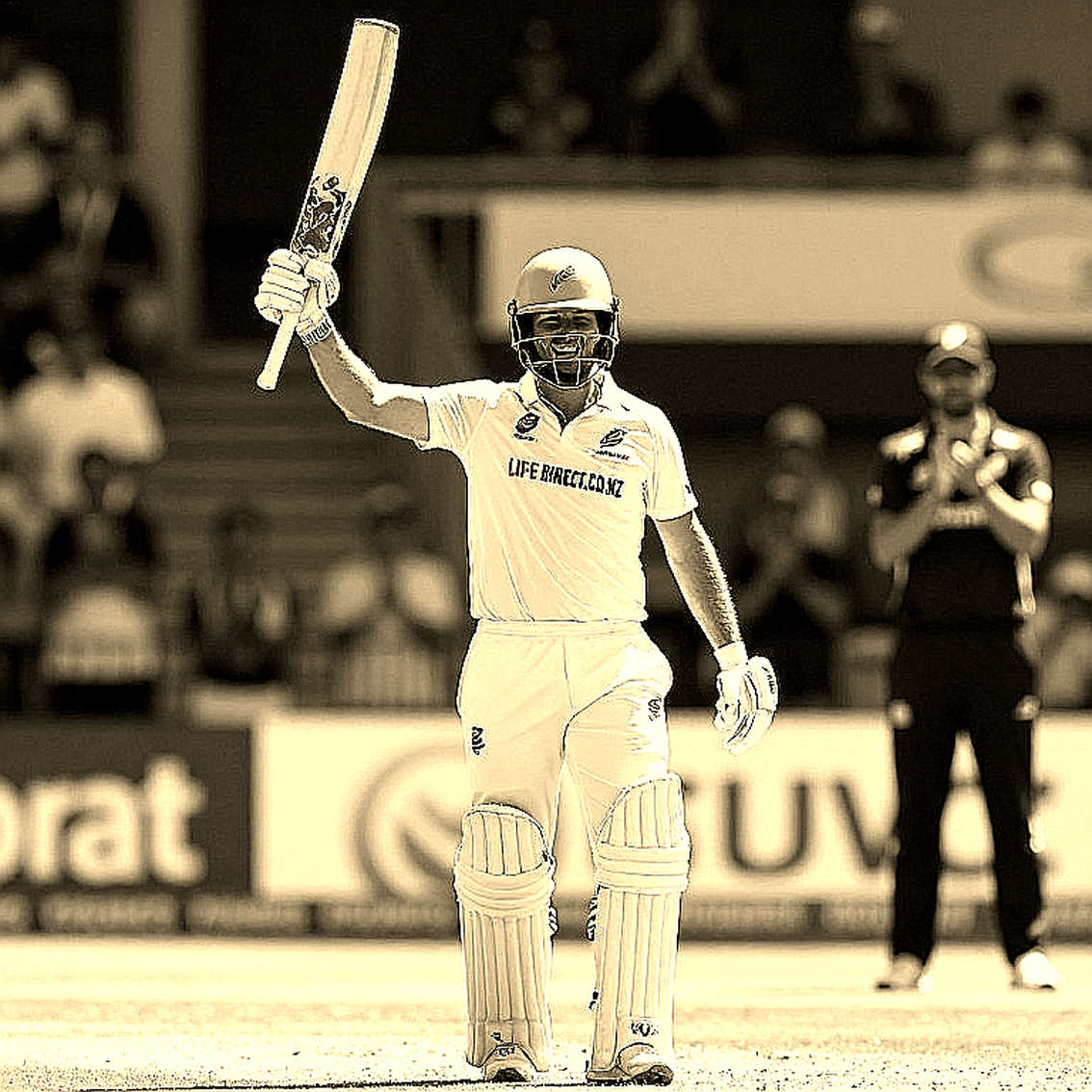
The timing of the disclosure is itself a tactical datum. It did not come at a pre-match press conference. Match-day planning had been built around Litton Das, and it broke at the last moment. A late change means a reworked batting order, re-assigned wicket-keeping duties and a leadership handover with no preparation window.
Leadership churn is a chronic rather than acute risk for Bangladesh, and this adds another entry to that pattern. Repeated mid-series captaincy changes erode tactical continuity more than raw performance: field placement, bowling rotation, DRS decision-making. Those things accumulate inside one captain's head, and a mid-series change resets them. Who takes over here is, of course, not stated.
The missing return timeline is also a signal, though I hold this as my most speculative observation. Boards usually give a timeline when the diagnosis is clean and the expected duration short. Here there is a clinical description and no prognosis. I am not claiming the board is hiding something — only that the silence points in a direction, and that specialist review may still be pending.
There is a wider point that sits outside the video. An MRI, a physio's statement, an official board channel — these form a public record. How many hips, shoulders and knees in domestic cricket never reach an MRI is not recorded anywhere. I build public ledgers because private pain should not be the only record. A national captain's injury becomes news; the same pain in a domestic player in the same city never enters a column. When the stadiums emptied, the unpaid players still left shadows on the pitch.
Now the other direction. The headline says "even bigger bad news." The body supplies no earlier bad event — no defeat, no prior injury list, no sequence. The escalation comes from the headline, not the information. A reader's first job with that kind of framing is to separate what is new from what is old anxiety in new packaging.
The most boring reading is also the most likely, so I will put it first. A tri-nation series is a handful of matches over two or three weeks. "Out of the series" may in practice mean three or four games. That is the base rate, and on the base rate this is a medium-sized blow rather than a catastrophe. The one detail that could move us off the base rate is the failed functional test — and that detail is not in our hands.
There is still a counter-intuitive point, and it concerns today. Litton's absence covers the series, but Mehidy's one-match absence may shape today's result more, because he was the binding constraint on today's balance. A series-long loss and a one-day loss cannot be measured on the same scale, and the easiest mistake in reporting is to treat the bigger number as the bigger event.
One more caution, especially apt in a transfer window. An injury should never be read as a valuation event without a return timeline. A hip problem is a monitorable risk during the window in which franchise squads are assembled — the next league commitment, the NOC question, the workload review. That is a forward risk to watch, not a finding of this article.
So what to watch. Whether the BCB names a like-for-like replacement, since boards normally call up a standby for a series-long absence and no such announcement has appeared. Who is confirmed as captain, permanent or interim. Whether a return date arrives after specialist review. Whether a workload review begins for a multi-format captain. And the venue and the third team, whose absence tells you exactly how much this piece assumed its reader already knew.
The last question is not about today's match. It is this: if one hip joint reaches us through a video within minutes of the toss, how many hip joints never reach anyone at all? Those empty boxes are the real story in this ledger, and filling them will take more matches, more names and a great many more phone calls.